Reading the Situation: When to Play a Tight Box vs. an Aggressive Penalty Kill
- Nov 10, 2025
- 2 min read
Killing penalties is about more than just hard work — it’s about smart reads,
timing, and adapting your structure to the opponent. Two of the most common penalty kill approaches are the tight box and the aggressive (or pressure) kill, and knowing when to use each can make the difference between surviving a 5-on-4 and watching the puck end up in your net.
The Tight Box: Contain, Protect, and Block
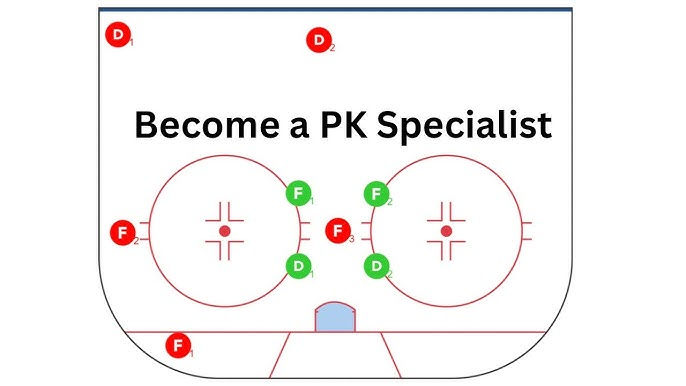
A tight box focuses on collapsing four defenders toward the middle of the ice to protect the most dangerous scoring areas — the slot and the crease. The key objectives are:
Keep pucks to the outside.
Block shooting lanes.
Eliminate seam passes across the middle.
This structure works best when:
The opposing power play is skilled at puck movement and east–west passing.
You’re late in a kill or a game and want to conserve energy.
The puck is controlled up high or along the perimeter.
You have a goalie who’s seeing the puck well through traffic.
The tight box forces teams to settle for low-percentage shots from the outside and prevents those backdoor or cross-ice one-timers that elite power plays thrive on. It’s a conservative, contain-and-collapse strategy that prioritizes positioning over pressure.
The Aggressive Kill: Pressure, Pursue, and Force Mistakes
An aggressive penalty kill, sometimes called a wedge +1 or press kill, is designed to pressure the puck carrier quickly and disrupt set plays before they develop. The top killers jump on loose pucks, attack players at the blue line, and constantly angle toward turnovers.
This approach works best when:
You’re facing a hesitant or inexperienced power play.
Your penalty killers have good skating and stamina.
You’ve scouted a team that relies on setup time or predictable breakouts.
The puck is on the half-wall or in a vulnerable position (e.g., bad angle, bouncing puck).
Aggressive pressure can generate shorthanded chances and swing momentum, but it also comes with risk — one missed read or failed clear can open seams and force your goalie into tough saves.
Blending the Two: Smart Situational Kills
The best teams don’t live entirely in one system. Elite penalty kills shift between tight and aggressive depending on the puck’s location, score situation, and opponent’s setup. For example:
Tight box when the puck is up top and the opponent is looking for a cross-seam play.
Pressure when the puck is on the half-wall or bobbled — jump and force a bad pass.
Tighten when protecting a late lead, or attack when you need momentum.
Great penalty killers read the play, communicate constantly, and know when to switch gears.
Final Thought
Whether you’re running a disciplined tight box or a relentless press, penalty killing is about anticipation, trust, and execution. Teams that can fluidly shift between a conservative and an aggressive mindset keep opponents guessing — and that unpredictability is the real key to killing penalties.