


Keep Your Hands Fresh: How to Maintain Stickhandling Skills During the Offseason
The offseason is a great time for hockey players to get stronger, faster, and recover from a long season. But one area that shouldn't be ignored is puck control and stickhandling.
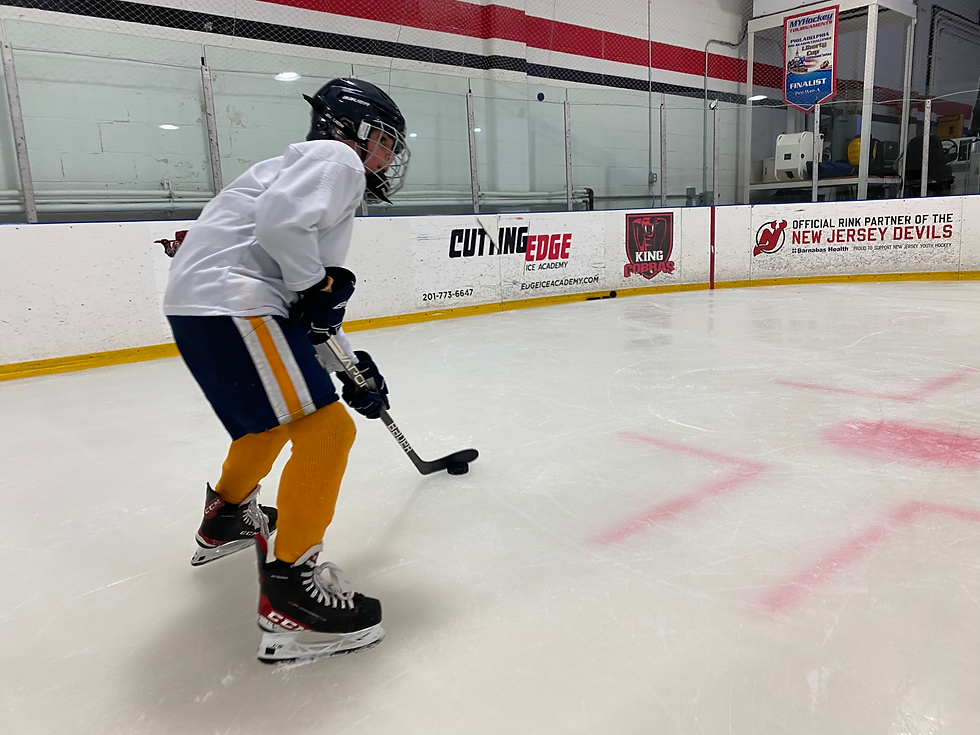
You don't need to be on the ice every day to keep your hands sharp. In fact, consistent off-ice stickhandling can help players maintain their feel for the puck and even improve their creativity before the next season begins.
The key is simple: keep touching the puck.
1. Stickhandle for a Few Minutes Every Day
You don't need an hour-long stickhandling workout to improve your hands.
Even 10–15 minutes a day can make a difference if the reps are focused.
Players can use:
A stickhandling ball
Green Biscuit or similar training puck
Golf ball
Roller hockey puck
Street hockey ball
The goal is to maintain the coordination between your eyes, hands, and stick.
Short, frequent sessions are usually more valuable than doing one massive stickhandling workout once a week.
2. Practice With Your Head Up
One of the biggest mistakes players make during off-ice stickhandling is staring at the puck the entire time.
In games, players need to control the puck while reading:
Defenders
Teammates
Open ice
Passing lanes
Pressure
Try placing a television, phone, or another visual target in front of you while stickhandling.
You can also have someone hold up fingers, call out numbers, or give commands while you control the puck.
The objective is to develop the ability to feel the puck rather than constantly watching it.
3. Work Outside Your Comfort Zone
If you're only practicing movements you're already good at, your improvement will eventually slow down.
Challenge yourself.
Practice:
Wide lateral movements
Toe drags
Pull-push movements
Backhand control
Forehand control
One-handed puck control
Puck protection positions
Quick forehand-to-backhand transfers
Don't worry if you lose the puck.
Losing control during practice often means you're challenging your hands enough to improve.
4. Use Obstacles to Create Different Puck Routes
You don't need expensive training equipment.
Set up anything you have available:
Cones
Shoes
Pucks
Water bottles
Gloves
Small objects around the garage or driveway
Instead of simply moving the puck back and forth, create different paths around the obstacles.
Move the puck:
Around. Through. Behind. Across.
This encourages players to manipulate the puck from different positions around their body.
5. Practice Away From Your Body
Young players often stickhandle directly in front of their skates.
But effective puck handlers can control the puck throughout a much larger area.
Practice reaching:
Far to the forehand
Far to the backhand
In front of the body
Beside the body
Behind the feet
The larger your comfortable stickhandling range becomes, the easier it is to protect the puck and move around defenders.
6. Don't Forget the Backhand
Many players naturally spend much more time controlling the puck on their forehand.
That can create a major weakness.
Spend dedicated time improving your backhand control.
Practice receiving the puck, pulling it toward your body, pushing it away, and moving it laterally using only the backhand side of the blade.
The more comfortable you become on your backhand, the fewer limitations you'll have when handling the puck in games.
7. Change Your Hand Speed
Stickhandling isn't always about moving the puck as quickly as possible.
Great puck handlers constantly change rhythm.
Try alternating between:
Slow → Fast → Slow → Explosive
Changing speeds develops better control and prepares players for situations where deception is more important than pure hand speed.
A slow movement followed by a sudden quick move can be much harder for a defender to read than nonstop rapid stickhandling.
8. Add Movement
Standing still is a good starting point, but hockey rarely happens while you're stationary.
Once you're comfortable, start moving your feet.
Walk while stickhandling.
Shuffle laterally.
Move forward and backward.
If you have rollerblades and a safe place to skate, practice puckhandling while moving.
Adding movement forces your upper and lower body to work together, making the drill more transferable to the ice.
9. Practice One-Handed Puck Control
One-handed stickhandling is extremely useful in hockey.
Players regularly use one hand while:
Protecting the puck
Reaching around defenders
Accelerating
Fighting through contact
Extending the puck into open space
Spend a few minutes controlling the puck with just your top hand.
This helps develop wrist strength, reach, and overall control of the stick.
10. Be Creative
Not every offseason session needs to follow a structured drill.
Sometimes the best thing a player can do is simply play with the puck.
Experiment.
Try weird movements.
Create combinations.
Move the puck between obstacles in different ways.
Pretend you're attacking a defender.
Try moves you saw an NHL player make.
Creativity is an important part of becoming a dangerous offensive player, and the offseason provides a low-pressure environment to develop it.
Consistency Matters More Than Complexity
You don't need expensive equipment or complicated drills to maintain your stickhandling during the offseason.
You need consistent puck touches.
Ten focused minutes in the driveway several times a week can add up to thousands of additional puck touches throughout the summer.
Those repetitions help maintain:
Hand speed
Puck feel
Coordination
Confidence
Creativity
Forehand and backhand control
When players return to the ice after spending an entire offseason handling the puck, they aren't spending the first few weeks trying to rediscover their hands.
They're ready to build on them.
Final Thoughts
The offseason should provide players with time to recover, train physically, and enjoy activities away from the rink. But maintaining your stickhandling doesn't require a massive commitment.
Grab a stick and a ball for a few minutes.
Challenge your hands.
Keep your head up.
Move the puck into uncomfortable positions.
And most importantly, keep getting touches.
A little work throughout the offseason can make a noticeable difference when the puck drops again.

